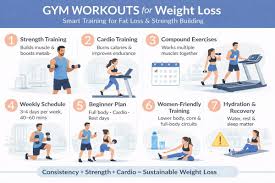
Sustainable fitness isn't about extreme workouts—it's about consistency and recovery. This guide shares adaptable routines for every schedule, from 15-minute home sessions to weekend adventures. Learn proper form, progressive overload principles, and how to listen to your body for long-term health and vitality.
Rethinking Fitness: Consistency Over Intensity
The fitness industry loves extremes: "No pain, no gain!" "Transform your body in 30 days!" "Burn 1000 calories in 20 minutes!" While dramatic results make great marketing, they rarely lead to lasting change. Research shows that sustainable fitness comes from moderate, consistent effort—not occasional heroics followed by burnout.
The goal isn't to look like a fitness model—it's to feel strong, energized, and resilient in your daily life. Whether you're chasing waterfalls in Bali, coding through a startup launch, or simply keeping up with kids, fitness should support your life, not consume it.
1. The 15-Minute Home Workout (No Equipment Needed)
Short on time? This full-body routine builds strength, mobility, and cardiovascular health in just 15 minutes. Do it 3-4x/week for compounding benefits.
The Circuit (4 rounds, 45 seconds work / 15 seconds rest)
- Squats: Feet shoulder-width, chest up, lower until thighs parallel to floor. Keep knees tracking over toes.
- Push-ups: Modify on knees or against a wall if needed. Focus on controlled movement, not speed.
- Reverse Lunges: Step back, lower until both knees bend to 90 degrees. Alternate legs.
- Plank: Forearms on ground, body in straight line from head to heels. Engage core, don't sag hips.
2. Weekend Adventure Workouts
Fitness doesn't have to happen in a gym. Nature provides the ultimate functional training ground—and it's great for mental health too.
Hiking as Strength Training
Trail hiking engages your entire body: quads and glutes on inclines, core for balance, arms for stability on uneven terrain. Add intentionality:
- Find hills: Power-walk up steep sections to boost cardiovascular fitness
- Use natural features: Step-ups on rocks, tricep dips on a bench, balance drills on logs
- Pack weight: A loaded backpack turns a casual walk into strength-endurance training
For inspiration on adventure destinations that double as workouts, see our Bali Adventure Guide.
Beach & Water Workouts
- Sand sprints: Running on sand increases resistance by 1.6x vs. pavement, building leg strength
- Swimming intervals: Alternate 1 lap fast / 1 lap easy for cardio without joint impact
- Bodyweight circuits: Do squats, lunges, and push-ups between swims for a full-body session
3. The Science of Progressive Overload (Without Injury)
Progressive overload—gradually increasing demand on your muscles—is the foundation of strength gains. But "more" isn't always better. Smart progression prevents plateaus and injuries.
Four Ways to Progress (Pick One Per Week)
- Increase reps: Add 1-2 reps per set before adding weight
- Increase sets: Go from 3 to 4 rounds of your circuit
- Decrease rest: Shorten rest periods to increase metabolic demand
- Improve form: Slow the tempo (e.g., 3 seconds down, 1 second up) to increase time under tension
Listen to Your Body's Signals
- Good pain: Muscle fatigue during/after workout, mild soreness 24-48 hours later
- Bad pain: Sharp, localized pain; joint discomfort; pain that worsens with movement
- Recovery signs: Persistent fatigue, irritability, poor sleep, declining performance
When in doubt, rest. One missed workout won't derail progress; pushing through injury can sideline you for weeks. For strategies to support recovery and mental resilience, see our Mental Wellness guide.
4. Mobility & Recovery: The Missing Pieces
Most fitness plans focus on "work" but neglect recovery—the phase where adaptation actually happens. Prioritize these non-negotiables:
Daily Mobility (5 Minutes)
- Neck rolls: Gentle circles to release tension from screen time
- Thoracic rotations: On hands and knees, reach one arm up to open chest and upper back
- Hip circles: Standing, make slow circles with one knee to maintain hip mobility
- Wrist/ankle circles: Often neglected joints that impact overall movement quality
Weekly Recovery Practices
- Active recovery: Light walking, gentle yoga, or foam rolling on rest days
- Sleep optimization: Aim for 7-9 hours; consistency matters more than perfection
- Nutrition support: Prioritize protein within 2 hours post-workout for muscle repair
- Hydration: Drink water throughout the day—dehydration impairs performance and recovery
5. Fitness for Busy Schedules: The "Movement Snacking" Approach
You don't need hour-long gym sessions. Research shows that accumulating movement throughout the day provides similar benefits to single long workouts.
Micro-Workout Ideas
- While coffee brews: 2 minutes of calf raises or standing marches
- Between meetings: 5 minutes of stretching or a brisk walk
- During TV time: Do bodyweight exercises during commercials or between episodes
- Commute creatively: Bike, walk part of the way, or do isometric holds while standing on transit
The "Never Zero" Rule
On chaotic days, commit to just 5 minutes of movement. A short walk, a few stretches, or one set of squats maintains momentum and reinforces identity: "I'm someone who moves my body." Consistency compounds—small actions today build the foundation for bigger gains tomorrow.
For productivity frameworks that align with sustainable energy management, explore our 10 Productivity Hacks guide.
6. Finding Joy in Movement
The best workout is the one you'll actually do. If you dread the gym, don't force it. Explore until you find movement that feels like play:
- Dance classes (Zumba, hip-hop, salsa)
- Martial arts or boxing for stress relief
- Rock climbing for problem-solving + strength
- Team sports for social connection
- Yoga or tai chi for mindfulness + mobility
When movement feels enjoyable, not punishing, consistency becomes effortless. As we explore in our Minimalism Mindset guide, removing friction makes good habits stick.
When to Seek Professional Guidance
Important: This guide provides general fitness information. If you have pre-existing health conditions, injuries, or concerns, consult a licensed healthcare provider or certified fitness professional before starting a new program. Listen to your body—pain is a signal, not a challenge to overcome.
The Bottom Line
Sustainable fitness isn't about perfection—it's about progress. Show up consistently, move in ways that feel good, prioritize recovery, and celebrate small wins. Your body isn't a project to fix; it's a partner for life. Treat it with respect, curiosity, and kindness.
Start where you are. Do one 15-minute workout this week. Take a walk in nature. Stretch for five minutes before bed. These small actions compound into lasting strength, energy, and vitality. As we explore across Web Wizards—from travel adventures to tech tools to remote work strategies—the common thread is intentional living. Fitness is no different: design a routine that serves your life, not the other way around.
Ready to move? Download our free 15-Minute Workout Guide (PDF with illustrations), or explore how intentional travel supports physical and mental health in our Bali Adventure Guide.
