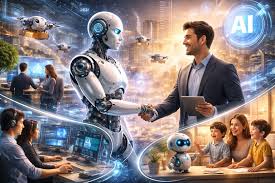
From smart homes that anticipate your needs to healthcare algorithms detecting diseases earlier than ever, artificial intelligence is no longer science fiction. This deep dive explores practical AI applications changing how we work, learn, and connect—plus ethical considerations every tech user should understand in our rapidly evolving digital landscape.
The AI Revolution Is Already Here
If you think artificial intelligence is still a futuristic concept, think again. In 2026, AI isn't coming—it's already woven into the fabric of daily life. From the moment your smart alarm adjusts your wake-up time based on sleep patterns, to your navigation app rerouting you around traffic in real-time, machine learning is working quietly in the background to make life smoother, safer, and more efficient.
What's changed since the AI hype of the early 2020s? Accessibility. You no longer need a PhD or a tech giant's budget to leverage AI. Consumer-grade tools now put powerful capabilities in everyone's hands—and that's transforming everything from how we work to how we care for our health.
1. Smart Homes That Actually Feel Smart
Early smart home devices were glorified remote controls. Today's AI-powered ecosystems learn your habits and adapt proactively.
Energy Optimization
Systems like Google Nest and Ecobee now use machine learning to analyze your schedule, weather forecasts, and energy pricing. They pre-heat your home before you wake, lower temperatures when you're away, and even coordinate with solar panels to maximize renewable energy use. Users report 20-30% reductions in energy bills without sacrificing comfort.
Personalized Ambiance
Imagine walking into a room and the lights adjust to your preferred brightness, your favorite playlist starts softly, and the thermostat shifts to your ideal temperature—all without a single voice command. That's the promise of contextual AI, and it's becoming reality through platforms like Apple Home and Samsung SmartThings.
2. Healthcare: AI as Your Personal Health Partner
Perhaps the most impactful AI applications are in healthcare, where machine learning is enabling earlier detection, personalized treatment, and proactive wellness.
Early Disease Detection
AI algorithms now analyze medical images with accuracy matching or exceeding human radiologists. Tools like Google's LYNA detect metastatic breast cancer in pathology slides, while startups develop AI that spots diabetic retinopathy from smartphone photos of the eye. These technologies aren't replacing doctors—they're augmenting them, catching issues earlier when treatment is most effective.
Wearables & Predictive Health
Modern wearables go beyond step counting. Devices like the Apple Watch and Whoop use AI to detect irregular heart rhythms, predict illness onset based on biometric trends, and even flag potential mental health struggles through sleep and activity patterns. For travelers, this is invaluable: imagine getting an alert about dehydration risk before you feel symptoms in a hot climate.
3. Work & Productivity: AI as Your Co-Pilot
The workplace is being transformed by AI tools that handle repetitive tasks, generate insights, and augment human creativity.
Smart Writing & Communication
Tools like GrammarlyGO and Microsoft Copilot don't just check grammar—they suggest tone adjustments, summarize long threads, and draft responses based on your writing style. For non-native English speakers, this levels the playing field in global business communication.
Data Analysis for Everyone
You no longer need to be a data scientist to extract insights. Natural language interfaces let you ask questions like "What were our top-selling products last quarter?" and get instant visualizations. This democratization of data empowers small business owners, marketers, and creators to make evidence-based decisions.
4. Learning & Personal Growth
Education is being personalized at scale through adaptive learning platforms.
AI Tutors
Apps like Khanmigo and Duolingo Max use large language models to provide one-on-one tutoring experiences. They explain concepts in multiple ways, adjust difficulty based on your progress, and even simulate conversations for language practice. For lifelong learners, this means high-quality education is accessible anytime, anywhere.
Skill Development
Platforms like Coursera and LinkedIn Learning now recommend courses based on your career goals, current skills, and industry trends. AI analyzes job postings to identify emerging skill demands, helping you stay competitive in a rapidly changing job market.
5. Ethical Considerations: Navigating the AI Landscape
With great power comes great responsibility. As AI becomes ubiquitous, understanding its limitations and risks is essential.
Privacy & Data Security
AI systems learn from data—often your data. Before using any AI tool, ask: What data does it collect? How is it stored? Can I delete my information? Reputable companies are transparent about these practices; if a service seems vague, proceed with caution.
Bias & Fairness
AI models reflect the data they're trained on. If training data contains biases (and most does), the AI will perpetuate them. This matters in hiring algorithms, loan approvals, and healthcare recommendations. As users, we should demand transparency and support companies investing in fair AI development.
The Human Element
AI excels at pattern recognition and automation—but it lacks empathy, ethical reasoning, and contextual understanding. The most valuable skills in an AI-augmented world are distinctly human: critical thinking, emotional intelligence, creativity, and ethical judgment.
Practical Tips for Embracing AI in 2026
Start with Clear Goals
Don't adopt AI for AI's sake. Identify specific pain points: "I spend too much time on email" or "I want to learn Spanish faster." Then find tools that address those needs directly.
Protect Your Privacy
- Use strong, unique passwords and enable two-factor authentication
- Review app permissions regularly—revoke access you don't need
- Consider privacy-focused alternatives (e.g., DuckDuckGo instead of Google for searches)
- Be cautious about sharing sensitive personal data with AI chatbots
Stay Curious, Stay Critical
AI evolves rapidly. Follow reputable tech news sources, experiment with new tools, but always question outputs. AI can hallucinate facts, perpetuate biases, or miss nuance. Your judgment remains essential.
The Bottom Line
The AI revolution of 2026 isn't about robots taking over—it's about tools that amplify human potential. When used thoughtfully, AI can save time, improve health outcomes, personalize learning, and unlock creativity.
But technology is only as good as the intentions behind it. As we integrate AI into daily life, let's prioritize ethics, privacy, and human connection. The future isn't human vs. machine—it's human with machine, working together to solve bigger problems and live better lives.
Want to dive deeper? Read our guide to Cybersecurity Trends 2026 to protect your digital life, or explore Productivity Hacks for working smarter with AI tools.
