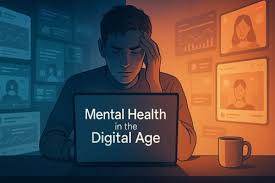
Constant connectivity takes a toll—but you can reclaim your mental health. Explore evidence-based techniques including digital boundaries, mindfulness practices, sleep optimization, and social connection strategies. Learn how small, consistent changes create lasting resilience in an overwhelming world.
The Mental Health Cost of Always-On Culture
We live in an era of unprecedented connection—and unprecedented burnout. The average person checks their phone 96 times per day. Notifications fragment our attention. Social media fuels comparison. Remote work blurs boundaries between professional and personal life.
The result? Rising rates of anxiety, depression, and digital fatigue across all age groups. But here's the hopeful truth: mental wellness isn't about disconnecting entirely—it's about designing intentional relationships with technology. Small, evidence-based adjustments can dramatically improve your emotional resilience without sacrificing the benefits of modern life.
1. Digital Boundaries: Protect Your Attention
Your attention is your most valuable resource. Guard it like you guard your finances.
The Notification Audit
Most notifications aren't urgent—they're designed to hijack your focus. Take 15 minutes to review every app on your phone:
- Keep: Direct messages from close contacts, calendar reminders, critical work alerts
- Disable: Social media likes, promotional emails, news alerts, app update notifications
- Schedule: Batch non-urgent notifications to deliver once daily (e.g., "Digest" mode)
Research from the University of California Irvine shows it takes an average of 23 minutes to refocus after an interruption. Fewer notifications = deeper focus = less mental fatigue.
The "Phone-Free Zones" Strategy
Designate specific times and spaces where devices aren't welcome:
- First 30 minutes after waking (start your day intentionally, not reactively)
- Meals with family or friends (presence over pixels)
- Bedroom (charge your phone outside the room to improve sleep)
- Walks or commutes (use this time for reflection, not scrolling)
For practical frameworks to protect focus while working remotely, see our guide to Building a Thriving Remote Work Culture.
2. Mindfulness Practices That Fit Real Life
You don't need to meditate for an hour on a mountaintop to benefit from mindfulness. Micro-practices woven into daily life create compounding benefits.
The 3-Breath Reset
When stress spikes—before a meeting, after a difficult email, during a tough conversation—pause and take three conscious breaths:
- Inhale slowly for 4 counts
- Hold gently for 2 counts
- Exhale fully for 6 counts
This activates your parasympathetic nervous system, lowering cortisol and creating space for a thoughtful response instead of a reactive one.
Mindful Transitions
Use natural breakpoints in your day to reset:
- After closing your laptop: Take 60 seconds to stretch and name one thing you accomplished
- Before checking social media: Ask "What do I need right now?" (connection, distraction, inspiration?)
- When waiting (in line, for a call): Observe your surroundings without reaching for your phone
These micro-moments build the "muscle" of presence without requiring extra time.
3. Sleep Optimization: Your Foundation for Resilience
Sleep isn't downtime—it's when your brain processes emotions, consolidates memories, and resets stress responses. Chronic sleep deprivation amplifies anxiety and impairs decision-making.
The Digital Sunset Routine
Blue light from screens suppresses melatonin production. Create a 60-minute wind-down ritual:
- Enable night mode on devices after sunset
- Replace scrolling with reading (physical books or e-ink readers)
- Try gentle stretching, journaling, or a warm shower
- Keep your bedroom cool, dark, and device-free
The Power of Consistency
Going to bed and waking up at the same time daily (even weekends) regulates your circadian rhythm more effectively than any sleep aid. Start with a 15-minute adjustment if your schedule varies widely.
For productivity strategies that align with your natural energy rhythms, explore our 10 Productivity Hacks guide.
4. Social Connection: Quality Over Quantity
Loneliness is a public health crisis. But scrolling through hundreds of "friends" online doesn't fulfill our deep need for meaningful connection.
The "Three People" Framework
Research shows that having just 3-5 close, supportive relationships significantly buffers against stress and depression. Invest intentionally:
- Schedule connection: Put coffee dates or video calls on your calendar like important meetings
- Go deeper: Replace "How are you?" with "What's been weighing on you lately?"
- Be vulnerable: Share your own struggles—authenticity invites reciprocity
Combatting Comparison Culture
Social media highlights others' best moments while you live your behind-the-scenes. Protect your mental space:
- Curate your feed: Unfollow accounts that trigger inadequacy
- Practice gratitude: End each day noting 3 things you appreciate about your life
- Remember: Connection isn't competition. Your journey is yours alone
5. Movement as Medicine
Exercise isn't just for physical health—it's one of the most effective, accessible tools for mental wellness. Movement reduces anxiety, improves mood, and builds resilience to stress.
Find What Feels Good (Not Punishing)
You don't need intense workouts to benefit. Research shows that even 10 minutes of gentle movement improves mood:
- A 15-minute walk in nature lowers cortisol more than treadmill time
- Dancing to favorite music releases endorphins and reduces rumination
- Yoga or stretching combines movement with breath awareness for dual benefits
The "Movement Snacking" Approach
Instead of aiming for one long workout, sprinkle movement throughout your day:
- 5 minutes of stretching after waking
- Walk during phone calls
- Take the stairs
- Desk yoga between tasks
Consistency beats intensity. Small, frequent movements compound into significant mental health benefits.
When to Seek Professional Support
Important: These strategies support mental wellness but aren't substitutes for professional care. If you experience persistent sadness, anxiety, hopelessness, or thoughts of self-harm, please reach out to a licensed mental health professional. In crisis? Contact a crisis line in your region immediately. You deserve support.
The Bottom Line
Mental wellness in the digital age isn't about rejecting technology—it's about designing a life where tools serve you, not the other way around. Start with one strategy above. Practice it for a week. Notice what shifts. Then add another.
Small, consistent actions compound. A digital boundary today creates mental space tomorrow. A mindful breath now builds resilience for future challenges. As we explore in our Minimalism Mindset guide, less distraction often means more fulfillment.
Ready to deepen your practice? Download our free Mental Wellness Checklist (10 daily prompts), or explore how intentional travel supports mental health in our Bali Adventure Guide.
